


The idea that we are each having significantly different experiences of the world around us due to differences in our brains, experiences, upbringings, cultures, and world-views can go a long way in our mission to create spaces which are truly diverse and inclusive. Neurodiversity is defined by The Hum as “the diversity within the range of all possible brain types, where none can be deemed ‘normal’ and each is simply distinct. I attended “From the Golden Rule to the Platinum Rule: The Importance of Neurodiversity in the Workplace”, animée par Lana Jelenjev, cofondateur de l'association Fondation Neurodiversité et Académie d'éducation à la neurodiversité . Dans cet article, je souligne certains des principaux enseignements tirés de l'atelier et des outils que nous pourrions appliquer ici, au CoLab.
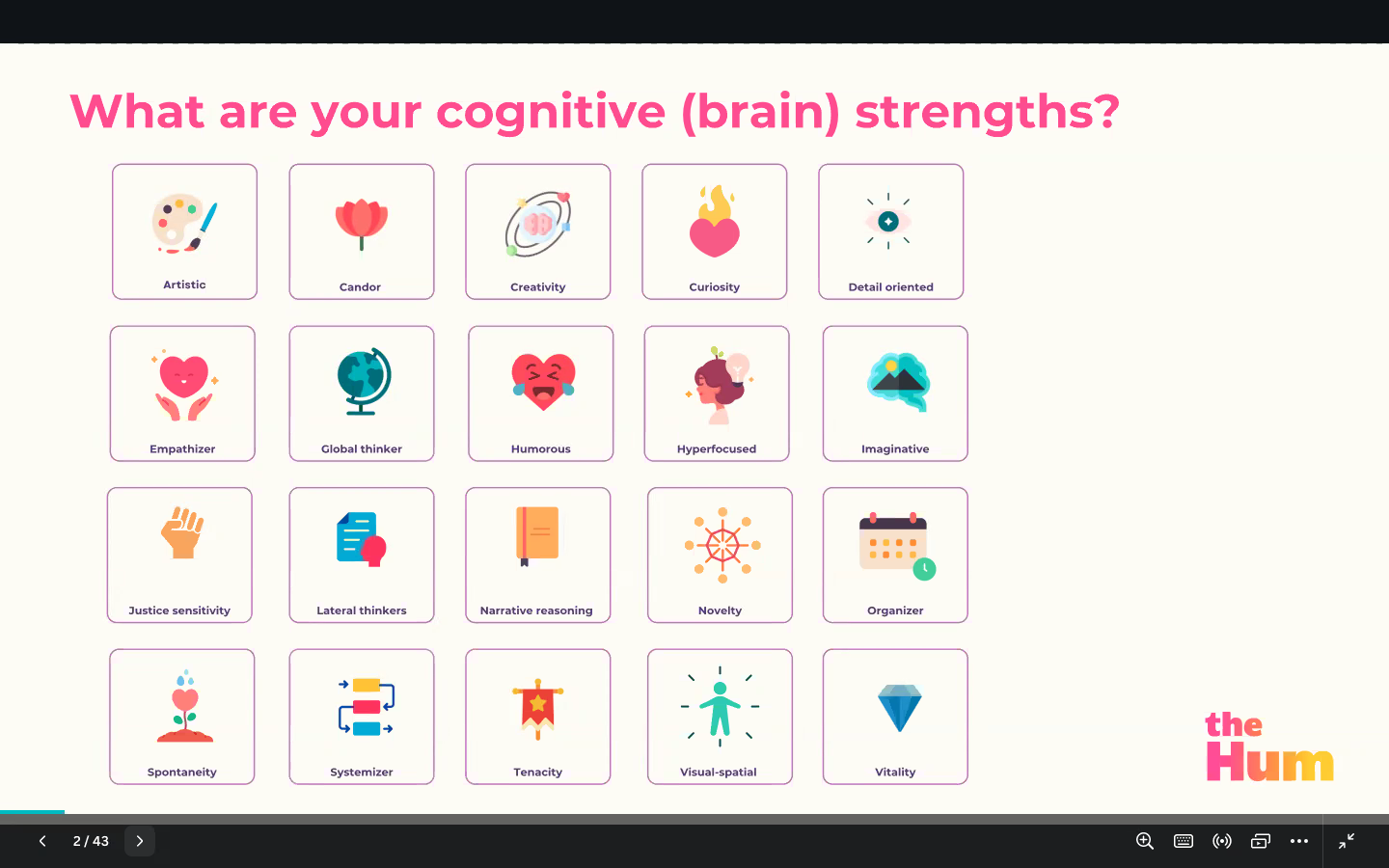
During the session Lana clearly outlined the scope of the issue, why we should build neurodiverse teams and laid out clear strategies teams could experiment with in creating more inclusive workspaces. We kicked off our session by sharing in breakout rooms what we felt our unique ‘brain strengths’ were – and used this to spur discussion on how using a strength-centred approach helps inclusion in diverse teams. By focusing on what we do well, rather than what’s ‘wrong with us’ or what accommodations we need – we create truly equal footing for all members of the team to find their unique role.
Nous nous sommes ensuite plongés dans le message du livre pour enfants des années 1940 intitulé ‘Les enfants de l'Europe".‘L'école des animaux’ which narrates the experiences of a community of animals trying to meet the challenges of the new world through standardised education in which every animal must attend swimming, flying, running, and climbing school. The duck is an excellent swimmer but struggles through running and climbing; the rabbit excels at running but fails swimming, and the gophers feel so excluded from the school because digging isn’t on the curriculum that they boycott the whole idea. The moral of the story is: let the fish swim, let the rabbits run. Or put another way, if you judge a fish by its ability to climb a tree, it will live its whole life believing that it is stupid. This echoes the experiences of many neurodiverse people – excelling in certain skills which seem difficult to others but being judged by a set of skills less intuitive to them. It also underscores why The Neurodiversity Education Academy emphasises a strength-based approach to building inclusive workplace cultures.
La communauté neurodiverse est estimée à 20% de la population générale et comprend toutes les formes de neurodiversité, y compris les personnes atteintes du spectre autistique, du TDAH, de la dyslexie, de la dyscalculie, ainsi que les formes de neurodivergence qui peuvent être acquises à la suite d'une blessure ou d'une maladie. Cette partie de la population est marginalisée à bien des égards, mais elle est particulièrement exclue du monde du travail et de l'éducation : au Royaume-Uni, seuls 22% des adultes autistes ont un emploi, et les enfants atteints de TDAH ont entendu jusqu'à 20 000 commentaires négatifs de plus au cours de leur vie, jusqu'à l'âge de 9 ans. Concevoir pour les différents neurotypes par le biais de la conception universelle nous aide tous, car de nombreux changements peuvent également aider les personnes neurotypiques.
Il est important de noter qu'il n'existe pas d'approche unique pour concevoir une culture d'entreprise inclusive. Parmi les outils et les stratégies explorés, citons : la construction de niches, l'apprentissage des neurosystèmes basés sur l'intérêt ou l'importance, la compréhension des zones de développement, les lueurs ou les déclencheurs, et l'apprentissage de la compréhension des membres de l'équipe. Les dirigeants peuvent jouer un rôle actif en écoutant efficacement, en s'informant sur la neurodiversité, en prenant davantage en compte les traumatismes et en utilisant un feedback basé sur les forces pour aider les membres de l'équipe neurodiverses à démasquer leurs besoins et à les communiquer plus efficacement.
Au cœur du message de Lana se trouvait le thème du passage de la règle d'or : ‘Faites aux autres ce que vous voudriez qu'ils vous fassent’ à la règle de platine : ‘Faites aux autres ce qu'ils voudraient que vous leur fassiez’. Ce simple changement de perspective fonctionne non seulement pour la neurodiversité, mais aussi pour l'intégration des différences culturelles, de genre ou d'origine de tous types. Il invite les chefs d'équipe à ne pas assumer qu'ils savent ce qu'il y a de mieux pour chaque membre de l'équipe, mais plutôt de venir d'un endroit où l'on se sent à l'aise. curiosité and encourage team members to explore, experiment, and communicate what works best for them. I felt like this rule was one which could be adapted and applied as a modifier to the permaculture ethic of people care – too often we assume we already know the needs of those we want to design for, and we instead need to approach design from a ‘begginers’ mind’ and ask questions in order to discover the true needs of our communities and workplaces.
Réflexion sur l'expérience :
J'ai trouvé l'atelier très intéressant et riche en informations, mais le contenu presque moved too quickly and I realised it was similar to my own presentation style. Watching Lana gave me some insight into how participants in my own workshops might feel overwhelmed. I also tend to present a lot of information wanting to really over-deliver on value, and forget that it might take the audience time to absorb and really engage new concepts. Far from being a criticism of Lana – who I found very interesting and informative as a speaker – it was a reminder that neurodiverse people hanging out together can often have insights into their own ways of thinking and communicating which are otherwise unclear to them.
Similarly the exercise of identifying our own brain-strengths gave my breakout room and I a great opportunity to identify commonalities and speak about the ways in which our strengths are not always perceived as such in the workplace. For instance we all identified with being candid – a great strength for teams as we were likely to give honest feedback, report on errors, mistakes or issues. However in a world designed around neurotypical forms of expression our candour had been misinterpreted as being overly harsh, out of line with cultural expectations or simply not politically savvy. How team leaders react and interpret diverse perspectives often shapes the way the team as a whole responds; and it offers an opportunity for the entire team to learn to be more open and honest with one another.
One attendee put it best – neurodiversity is biodiversity. By engaging in the process of understanding our own limitations in perception, including more voices and actively designing for universal access; we enrich and enliven our workplaces in ways we cannot predict.
Questions à méditer :
– How can you begin practising the platinum rule?
– What are your unique brain strengths? Have you asked your team about what they think their brain strengths are?
– How can you create a space which welcomes all neurotypes?
L'Hum accueille un cours en direct intitulé Wired Differently – Creating a Team Culture Where All Minds Can Thrive. Si vous souhaitez participer et en savoir plus sur la manière de soutenir les équipes neurodiverses, vous pouvez trouver un code de réduction 50% dans la rubrique 1TP5Éducation et formation sur Slack pour les membres du CoLab. Vous pouvez également trouver d'autres ressources gratuites pour l'éducation des personnes atteintes de troubles neurodivers à l'adresse suivante Académie d'éducation à la neurodiversité

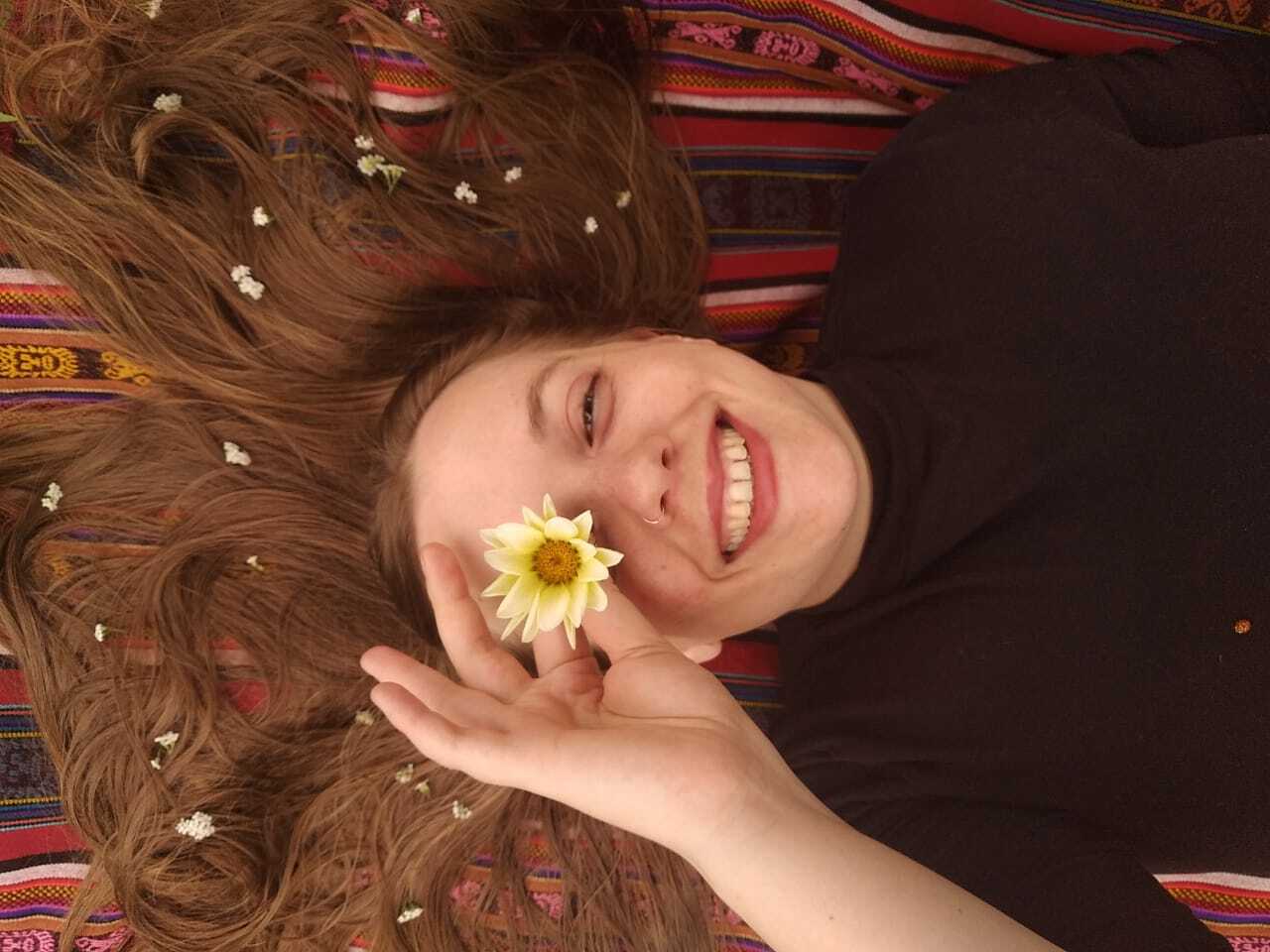
Siobhan Vida Ashmole est une permacultrice et une entrepreneuse neurodiverse basée dans l'Afrique du Sud rurale. Elle se concentre sur la création d'organisations résilientes capables de relever les défis de la transition vers un avenir régénérateur.
Vida a travaillé dans le domaine de la formation des entrepreneurs écosociaux, de l'agriculture régénératrice, de la commercialisation et de la conservation des connaissances indigènes.