


The idea that we are each having significantly different experiences of the world around us due to differences in our brains, experiences, upbringings, cultures, and world-views can go a long way in our mission to create spaces which are truly diverse and inclusive. Neurodiversity is defined by The Hum as “the diversity within the range of all possible brain types, where none can be deemed ‘normal’ and each is simply distinct. I attended “From the Golden Rule to the Platinum Rule: The Importance of Neurodiversity in the Workplace”, moderiert von Lana Jelenjev, Mitbegründer der Stiftung Neurodiversität und Akademie für Neurodiversitätsbildung . In diesem Artikel hebe ich einige der wichtigsten Erkenntnisse aus dem Workshop und Instrumente hervor, die wir hier im CoLab anwenden könnten.
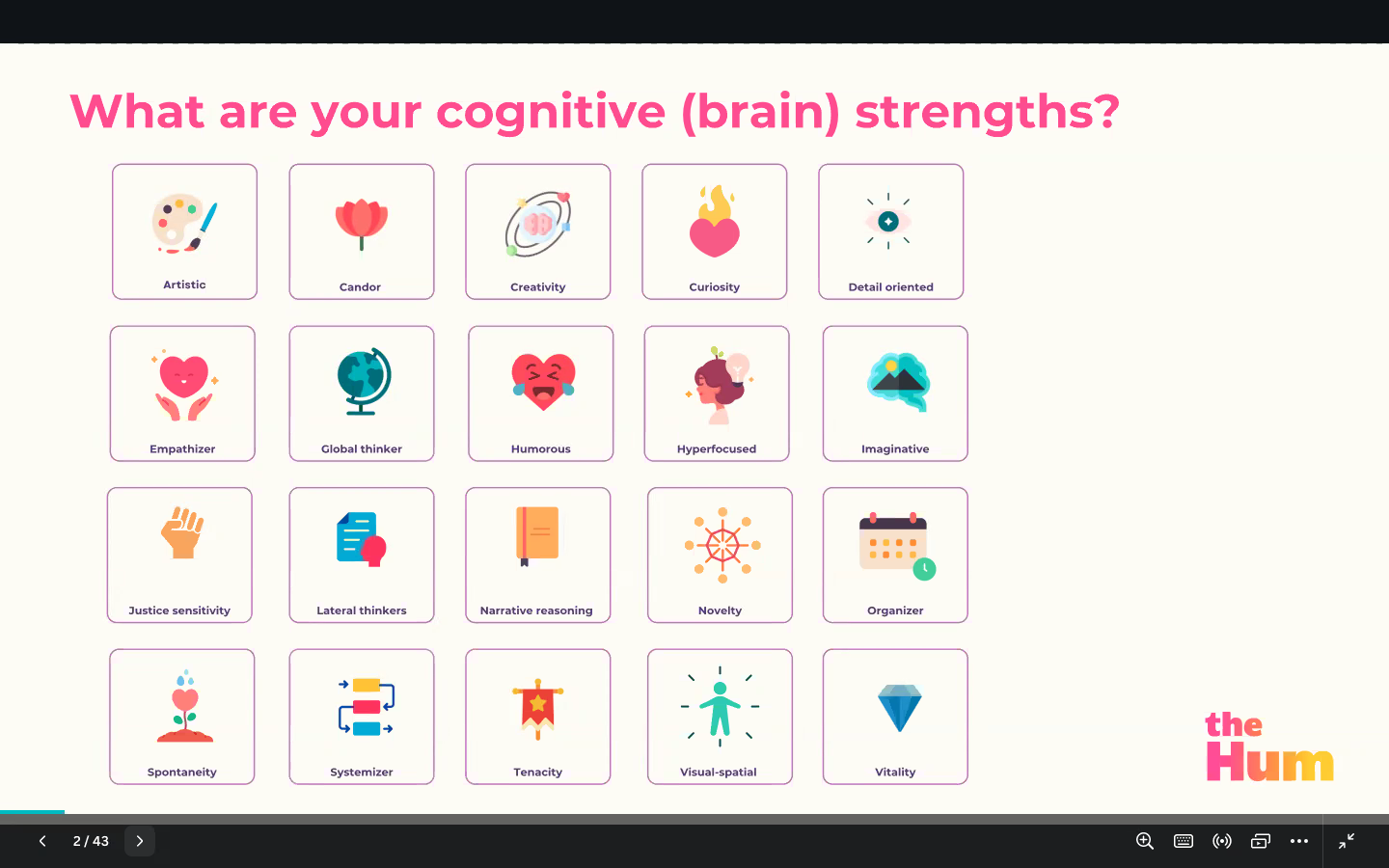
During the session Lana clearly outlined the scope of the issue, why we should build neurodiverse teams and laid out clear strategies teams could experiment with in creating more inclusive workspaces. We kicked off our session by sharing in breakout rooms what we felt our unique ‘brain strengths’ were – and used this to spur discussion on how using a strength-centred approach helps inclusion in diverse teams. By focusing on what we do well, rather than what’s ‘wrong with us’ or what accommodations we need – we create truly equal footing for all members of the team to find their unique role.
Dann haben wir uns mit der Botschaft des Kinderbuchs aus den 1940er Jahren beschäftigt.‘Die Tierschule’ which narrates the experiences of a community of animals trying to meet the challenges of the new world through standardised education in which every animal must attend swimming, flying, running, and climbing school. The duck is an excellent swimmer but struggles through running and climbing; the rabbit excels at running but fails swimming, and the gophers feel so excluded from the school because digging isn’t on the curriculum that they boycott the whole idea. The moral of the story is: let the fish swim, let the rabbits run. Or put another way, if you judge a fish by its ability to climb a tree, it will live its whole life believing that it is stupid. This echoes the experiences of many neurodiverse people – excelling in certain skills which seem difficult to others but being judged by a set of skills less intuitive to them. It also underscores why The Neurodiversity Education Academy emphasises a strength-based approach to building inclusive workplace cultures.
Die neurodiverse Gemeinschaft macht schätzungsweise bis zu 20% der Gesamtbevölkerung aus und umfasst alle Formen der Neurodiversität, einschließlich Menschen aus dem Autismus-Spektrum, ADHS, Legasthenie, Dyskalkulie sowie Formen der Neurodivergenz, die als Folge von Verletzungen oder Krankheiten erworben werden können. Dieser Teil der Bevölkerung wird in vielerlei Hinsicht an den Rand gedrängt, ist aber besonders vom Arbeitsplatz und von der Bildung ausgeschlossen: Nur 22% der autistischen Erwachsenen im Vereinigten Königreich haben einen Arbeitsplatz, und ADHS-Kinder haben in ihrem Leben bis zum Alter von 9 Jahren bis zu 20.000 negative Kommentare mehr gehört. Die Gestaltung für verschiedene Neurotypen durch universelles Design hilft uns allen, da viele der Änderungen auch neurotypischen Personen helfen können.
Es ist wichtig zu wissen, dass es keinen ‘Einheitsansatz’ für die Gestaltung einer integrativen Arbeitsplatzkultur gibt. Einige der untersuchten Instrumente und Strategien waren: Aufbau von Nischen, Lernen über interessens- vs. bedeutungsbasierte Neurosysteme, Verstehen von Entwicklungszonen, Schimmer vs. Auslöser und Lernen zu verstehen, wer in Ihrem Team ist. Führungskräfte können eine aktive Rolle übernehmen, indem sie effektiv zuhören, etwas über Neurodiversität lernen, mehr über Traumata erfahren und stärkenbasiertes Feedback nutzen, um neurodiversen Teammitgliedern zu helfen, ihre Bedürfnisse zu erkennen und effektiver zu kommunizieren.
Im Mittelpunkt von Lanas Botschaft stand die Abkehr von der Goldenen Regel: ‘Was du nicht willst, dass man dir tu’, das füg‘ auch keinem andern zu’, hin zur Platin-Regel: "Was du nicht willst, das man dir tu', das füg' auch keinem andern zu". Dieser einfache Perspektivwechsel gilt nicht nur für die neurodynamische Vielfalt, sondern auch für die Berücksichtigung kultureller, geschlechtsspezifischer oder herkunftsbedingter Unterschiede jeglicher Art. Sie lädt Teamleiter dazu ein, nicht annehmen dass sie das Beste für jedes Teammitglied wissen, sondern dass sie von einem Standpunkt der Neugierde and encourage team members to explore, experiment, and communicate what works best for them. I felt like this rule was one which could be adapted and applied as a modifier to the permaculture ethic of people care – too often we assume we already know the needs of those we want to design for, and we instead need to approach design from a ‘begginers’ mind’ and ask questions in order to discover the true needs of our communities and workplaces.
Reflexion der Erfahrung:
Ich fand den Workshop sehr ansprechend und wertvoll, aber der Inhalt fast moved too quickly and I realised it was similar to my own presentation style. Watching Lana gave me some insight into how participants in my own workshops might feel overwhelmed. I also tend to present a lot of information wanting to really over-deliver on value, and forget that it might take the audience time to absorb and really engage new concepts. Far from being a criticism of Lana – who I found very interesting and informative as a speaker – it was a reminder that neurodiverse people hanging out together can often have insights into their own ways of thinking and communicating which are otherwise unclear to them.
Similarly the exercise of identifying our own brain-strengths gave my breakout room and I a great opportunity to identify commonalities and speak about the ways in which our strengths are not always perceived as such in the workplace. For instance we all identified with being candid – a great strength for teams as we were likely to give honest feedback, report on errors, mistakes or issues. However in a world designed around neurotypical forms of expression our candour had been misinterpreted as being overly harsh, out of line with cultural expectations or simply not politically savvy. How team leaders react and interpret diverse perspectives often shapes the way the team as a whole responds; and it offers an opportunity for the entire team to learn to be more open and honest with one another.
One attendee put it best – neurodiversity is biodiversity. By engaging in the process of understanding our own limitations in perception, including more voices and actively designing for universal access; we enrich and enliven our workplaces in ways we cannot predict.
Fragen zum Nachdenken:
– How can you begin practising the platinum rule?
– What are your unique brain strengths? Have you asked your team about what they think their brain strengths are?
– How can you create a space which welcomes all neurotypes?
The Hum ist Gastgeber eines Live-Kurses mit dem Titel Wired Differently – Creating a Team Culture Where All Minds Can Thrive. Wenn Sie an einer Teilnahme interessiert sind und mehr darüber erfahren möchten, wie Sie neurodiverse Teams unterstützen können, finden Sie einen 50%-Rabattcode unter 1TP5Bildung und Ausbildung auf Slack für CoLab-Mitglieder. Weitere kostenlose Ressourcen für die neurodiverse Bildung finden Sie auch auf der Akademie für Neurodiversitätsbildung

Siobhan Vida Ashmole ist eine neurodiverse Permakulturistin und Unternehmerin mit Sitz im ländlichen Südafrika. Ihr Schwerpunkt liegt auf der Schaffung widerstandsfähiger Organisationen, die in der Lage sind, die Herausforderungen des Übergangs zu einer regenerativen Zukunft zu bewältigen.
Vida hat in den Bereichen Ausbildung von ökosozialen Unternehmern, regenerative Landwirtschaft und Vermarktung und Erhaltung von indigenem Wissen gearbeitet.