CoLab Podcast – Series 3, Episode 3

CoLab Podcast – Series 3, Episode 3

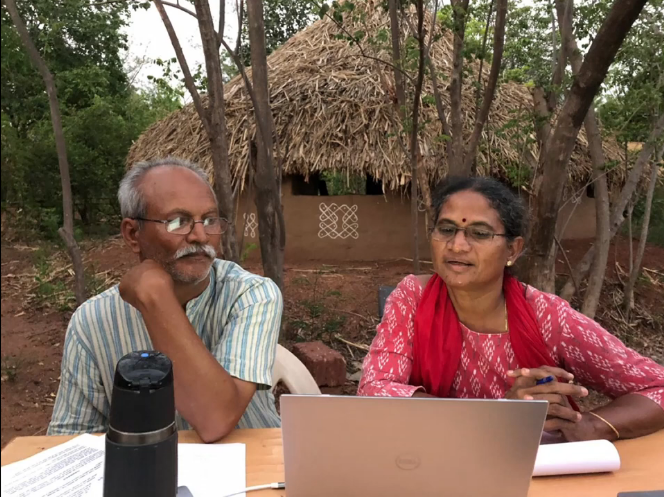
Mapping Permaculture Convergences – Padma&Narsanna Koppula

Padma and Narsanna Koppula are permaculture pioneers and founders of Aranya Agricultural Alternatives, an organisation working to promote permaculture and sustainable agriculture in India. They hosted the 13th International Permaculture Convergence in India in 2017, bringing together people from across the global permaculture movement.

Through their work, they continue to share permaculture practices and support communities in creating more sustainable ways of living and growing food.

CoLab Podcast with Padma&Narsanna Koppula © 2026 is licensed under Creative Commons Attribution-ShareAlike 4.0 International 

The creation of this podcast episode was made possible through funding received from the Emergent Festival.

Listen to the podcast:
CoLab Podcast – Series 2, Episode 6

CoLab Podcast – Series 2, Episode 6

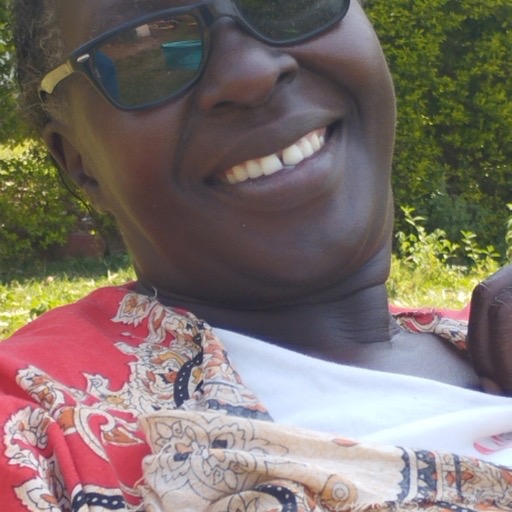
Carolyne Akinyi Olang-Onyango – SheGenerators Perma Hub

The SheGenerators Perma Hub is based in Rongo, Kenya. The name is derived from the word regeneration but it is also a piece of land welcoming women to learn about regenerative agriculture. It is also a place to nurture talent from young people by encouraging the youth to play music, create art, and a place for the community to congregate. First and foremost it is a place to learn permaculture principles and techniques by teaching women how to grow their own food.


CoLab Podcast with Carolyne © 2024 by Learn Team is licensed under Creative Commons Attribution-ShareAlike 4.0 International 

The creation of this podcast episode was made possible through funding received from the Emergent Festival.

Listen to the podcast:
CoLab Podcast – Series 2, Episode 5

CoLab Podcast – Series 2, Episode 5

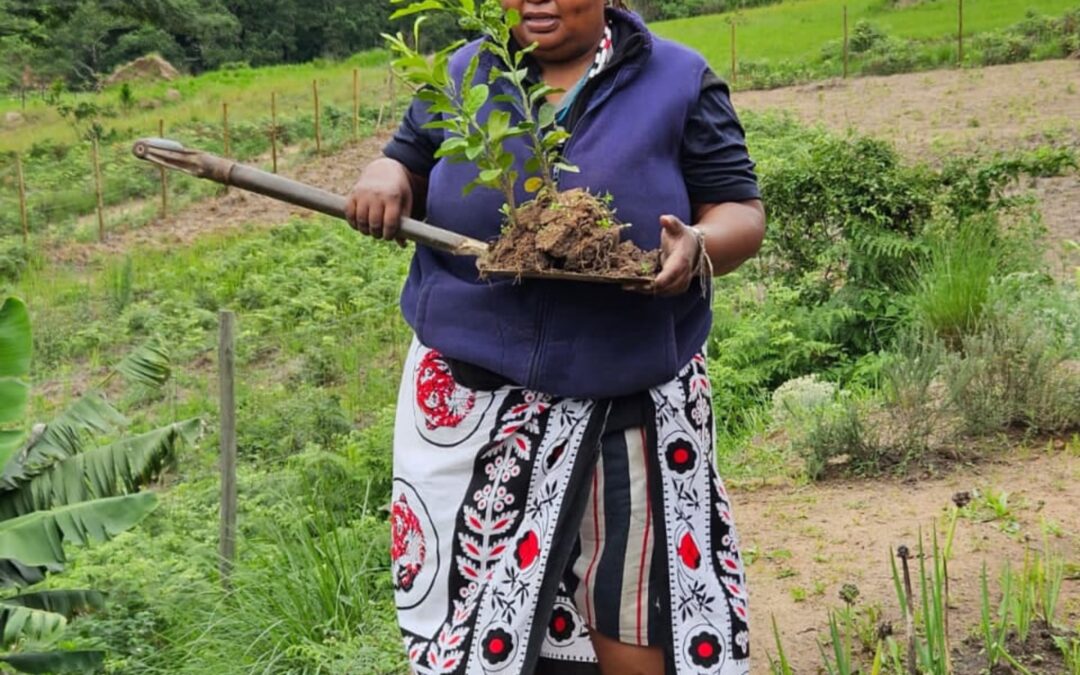
Fikile Marbel Vilakazi-Alberts – The African Landless Permaculturist Project: Ikhwelo Healers Collective

This project will conduct research into what challenges traditional indigenous healers encounter when accessing land for growing food and traditional medicines, particularly from those working from a permaculture perspective and way of life. The project hopes to highlight the barriers that exist when trying to access land, for example to negotiate land owned by a village, economic problems, low income issues, gender inequalities and colonisation.

The next stage is to investigate opportunities to access land, and also the processes, costs, and relevant laws, learning from successful low-capital permaculturists and land gatekeepers. They then hope to publish a guide on creative land access for permaculture, disseminate it to grassroots groups in permaculture. It will talk about traditional healing, agroecology, and food sovereignty, initially in English and then one in their indigenous language.

They will develop a framework from their research to address land access and use in South Africa, offering insights for the rest of Africa, the Global South, and landless permaculturists globally. This framework and their findings will be shared with the CoLab to inspire and enable similar regional initiatives.

CoLab Podcast with Fikile © 2024 by Learn Team is licensed under Creative Commons Attribution-ShareAlike 4.0 International

The creation of this podcast episode was made possible through funding received from the Emergent Festival.

Listen to the podcast:
CoLab Podcast – Series 2, Episode 4

CoLab Podcast – Series 2, Episode 4

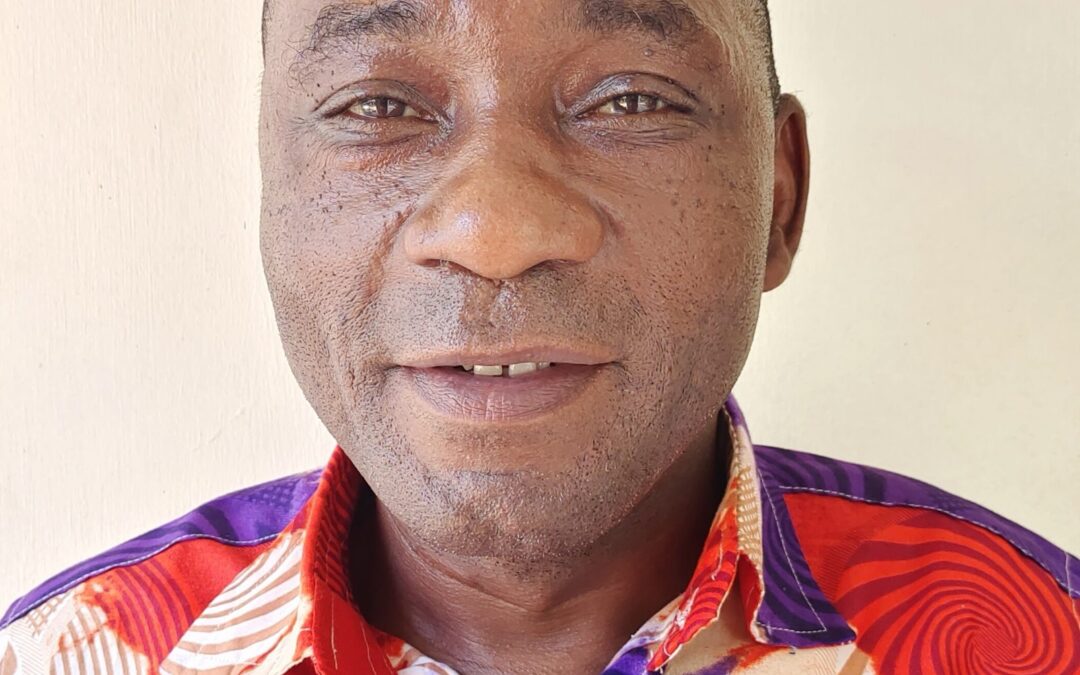
Mafah Cornelius Kuta – Wandusoa Organic Cameroon Development Association

Wandusoa Organic Cameroon is running a regenerative agriculture school with on-campus small-scale enterprises that serve a dual purpose. On the one hand, these enterprises produce and sell organic farm products and services in the local markets, generating income to pay for the school’s expenses and ensuring the school’s long-term financial sustainability.

On the other hand, they offer marginalized youths diverse opportunities to learn regenerative agriculture and business skills in a hands-on way. The school’s program is a business plan embedded in the curriculum that allows students to study traditional subjects like Mathematics and English language, alongside practical regenerative agricultural subjects like agroforestry, permaculture, beekeeping, and livestock rearing.

Their “learning-by-doing and earning” approach to education means that students graduate with the regenerative agriculture/business skills and experience they need to succeed in responsible jobs in the formal regenerative agricultural sector or as self-employed entrepreneurs.

Visit their website for more information: https://wandusoa.org

CoLab Podcast with Mafah © 2024 by Learn Team is licensed under Creative Commons Attribution-ShareAlike 4.0 International 

The creation of this podcast episode was made possible through funding received from the Emergent Festival.

Listen to the podcast:
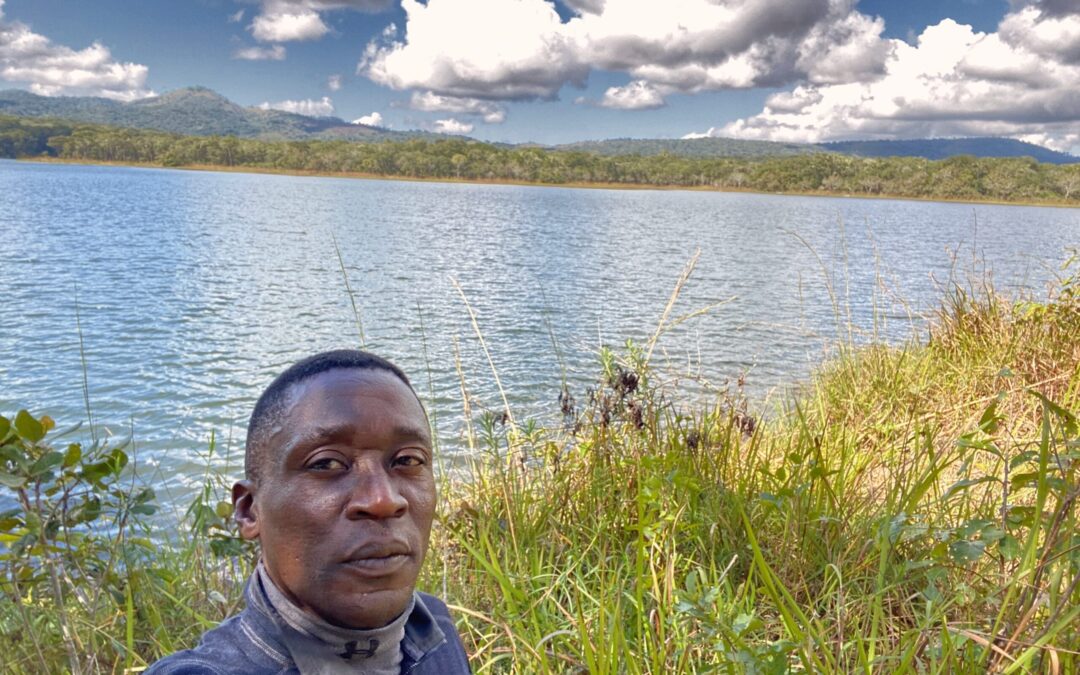


CoLab Podcast – Series 2, Episode 3

CoLab Podcast – Series 2, Episode 3

Dumi Banda – Environmental Bees Project

Beehive School Club focusing on climate change and environmental sustainability in Malawi.

The Beehive school runs an after school project to help raise awareness among the pupils to learn about food waste, climate change and sustainability. The club originated after being aware of the amount of plastic waste on the school grounds, and this led to asking questions about single use plastics, the plastic waste on the streets and how they could make use of these plastics. The Environmental Bees Club meets once a week and is divided between a theory session and a practical session.

The Environmental Bees Club is also collaborating with a school in Tanzania, where they hope to spent some time there on retreat to learn about permaculture practices, environmental sustainability practices and how to address climate change.

At the moment The Environmental Bees Club can be reached here: https://www.instagram.com/environmentalbees/?hl=en

CoLab Podcast with Dumi © 2024 by Learn Team is licensed under Creative Commons Attribution-ShareAlike 4.0 International 

The creation of this podcast episode was made possible through funding received from the Emergent Festival.

Listen to the podcast: