Tools and Technology is one of the Permaculture Domains by David Holmgren. The permaculture domains work became popular in the early 2000s and is still largely quoted by many permaculture teachers within their courses. However, during many of the Permaculture Design Courses this topic seldom goes into the most prolific tools that are used by students on a day to day basis. We often only hear about the hand tools to aerate the soil…and when the use of a tractor may be appropriate however these are examples that are often not relatable to students.
We feel that this is a missed opportunity and in a world where people of all ages and almost everywhere in the world are constantly exposed to and using digital technology we are missing out on the opportunity to talk about responsible choices for the tools we are using on a day to day basis. Particularly how to choose tools that are aligned with the permaculture ethics, earth care, people care and fair share.
The Digital Circle is a collective of permaculture technologists that over the last 10 years have been providing advice, deploying ethical digital tools and helping organsiations, associations, networks and individuals identify and adopt ethical digital tools that match the permaculture ethics.
Part of this work is extensive research into open source tools and developing educational materials for the discerning permaculturists interested in this domain to make better choices.
We are pleased to share this new page on the International Permaculture CoLab website which features ethical open source tools that are aligned with the permaculture ethics. The database is free to access and comes with a handy video demo which helps you use it to best effect.
On the database you can apply different filters such as functions that the software is made for, different pricing models including when the software is available for free and also whether it can be self-hosted.
This research is made possible by funding received from the International Permaculture CoLab through the GROW project.
If you are an organisation, association, network or ethical enterprise interested in getting to know more about aligning your ethical digital tools with your organisational ethics then please contact us on contact@perma.earth
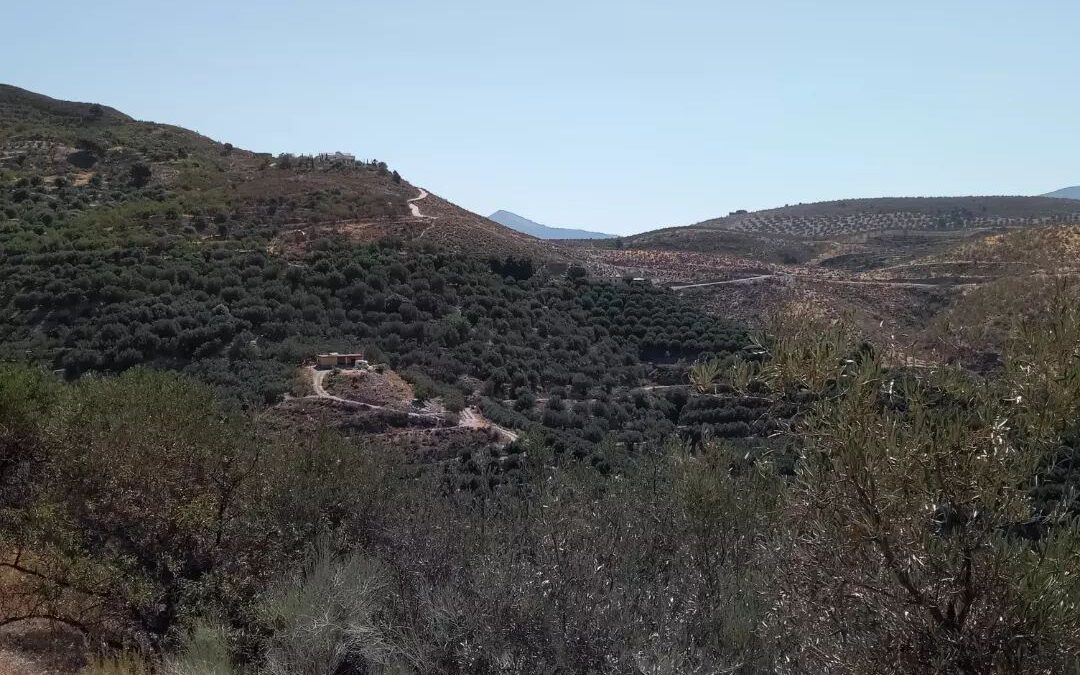
Finca Verde, located in Lanjaron in the Alpujarras region of Granada, Southern Spain, is inviting applicants for our Regenerative Agri-Food Fellowship Program. This is a residency-style program designed for individuals interested in learning about regenerative farming, permaculture design, and developing sustainable income streams within the context of an eco-friendly farm. Fellows will gain hands-on experience, receive mentorship, and contribute to income-generating projects to help support the farm’s ongoing regeneration efforts.
You can get to know more about our project here: https://wiki.ecohackerfarm.org/finca_verde:start & https://fincaverderegen.com/
Why Apply?
We are stewards of 4 hectares of land that we help protect and regenerate, serving as an example for others who are learning how they can engage in similar regenerative practices. The farm is a living example of regenerative agriculture, where we focus on ecological, social, and economic sustainability through permaculture principles.
As a fellow at Finca Verde, you will:
Participate in the ongoing regeneration of our farm through practical, hands-on activities.
Learn about soil health, biodiversity, water management in a regenerative farming context.
Engage in developing and implementing income-generating projects that align with your interests and skills.
Benefit from 5 hours per week of permaculture design tuition tailored to your level of experience.
Receive guidance and mentorship as you learn and contribute to the farm’s long-term goals.
The Fellowship Opportunity The fellowship is designed for individuals looking to deepen their practical knowledge of regenerative farming while contributing to the farm’s ongoing development. The program includes:
Hands-On Farming Experience: Work directly with our team on daily farm operations, including planting, harvesting, maintaining infrastructure, and implementing permaculture design principles for 20 hours per week.
Permaculture Design Tuition: Fellows will receive at least 5 hours a week of tuition in permaculture design, with content tailored to the individual’s experience level.
Profit Sharing: Fellows will have the opportunity to contribute to income-generating projects. These activities will be aligned with your interests and skills, and include participation in our profit-sharing model.
Lifelong Support: Fellows who go on to start their own businesses will receive lifelong support through our alumni program. If you wish to return after your fellowship to continue your work or expand on your previous efforts, we will prioritize your application.
What’s Included?
Food & Shelter: We provide all meals during your fellowship, with an emphasis on healthy, locally sourced ingredients.
Accommodation: Fellows will stay in shared accommodations on the farm, providing a comfortable space to relax and enjoy the peaceful environment.
What You Can Expect from the Area
Finca Verde is located in the beautiful village of Lanjaron, in the Alpujarras region of Granada, Southern Spain. This area is known for its stunning landscapes, tranquil lifestyle, and vibrant cultural heritage. Here’s what you can expect:
Natural Beauty: Lanjaron is surrounded by mountains, hiking trails, and stunning views. The region’s Mediterranean climate makes it ideal for outdoor exploration, from hiking in the Sierra Nevada National Park to cycling along scenic routes.
Traditional Village Life: Lanjaron offers a simple, peaceful lifestyle, where community and connection to nature are highly valued. Experience the charm of this village, with its whitewashed buildings and cobblestone streets.
Cultural Heritage: The Alpujarras is rich in history, featuring traditional architecture and festivals that celebrate the region’s Moorish and Christian influence.
Proximity to Granada: Though peaceful, Lanjaron is only an hour away from Granada, a city full of historical landmarks, modern amenities, and a vibrant culture.
Nearby Orgiva: Just a short drive away, Orgiva is known for its multicultural, bohemian vibe. It hosts a colourful Thursday market, a hub for fresh produce, crafts, and eclectic goods. The market is a gathering place for locals and travelers alike, offering a unique glimpse into the free-spirited side of the region.
Application Process
Send your fellowship application by email to: info@fincaverderegen.com We will review all applications and invite shortlisted candidates for an interview via video call. The interview will help us assess your motivations, skills, and how you align with the farm’s values and objectives.
Eligibility
This fellowship is open to individuals with a passion for regenerative farming, permaculture, and sustainable agriculture and who can be in Europe without the need for visas and work permits. We are looking for applicants who:
Have a strong interest in learning and contributing to regenerative farming practices.
Are motivated, self-directed, and open to working in a collaborative, hands-on environment.
Have an entrepreneurial mindset and are interested in developing income-generating projects.
Are excited to immerse themselves in rural life and become part of our farm’s community.
During Cohort 1 from October to December
Seasonal work includes tree maintenance, wood stacking, olive harvesting. Also drying and processing of herbs and vegetable gardening and design.
During Cohort 2 from December to February
Seasonal work includes tree maintenance, wood stacking, olive harvesting. Also drying and processing of herbs and vegetable gardening and design.
Application Timeline
Applications Open: 1st August 2026
Application Deadline: end of August 2026
Interviews: Ongoing
Fellowship Start Dates: 1st October 2026, 1st January 2026
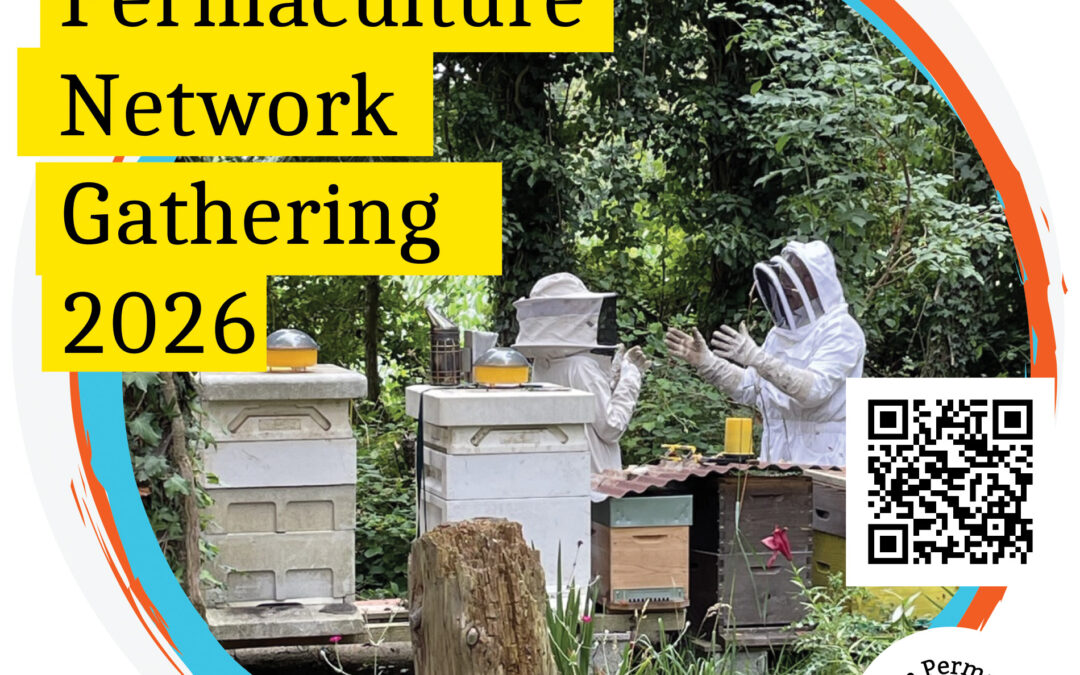
The EuPN Permaculture Gathering 2026 is a return to the kind of event the European permaculture movement has always done best where people coming together to share what they know, and leaving with more than they arrived with.
The last full European Permaculture Convergence took place 2018 in Ireland. This September, we will pick up where we left off and this time its in rural Brittany, France.
When: 4-6 September, 2026
Where: Afrinoon Permaculture – Priziac, Morbihan, Brittany, France
Cost: from 45 € for a day-ticket and from 120 € for the whole gathering
The weekend is self-organising, which means the programme is shaped by the people who show up. When you register, you are invited to propose a session or a skill to share, a project to talk about, a question worth exploring together.
It might be a practical workshop, a tour of your property, a conversation about community, or something else entirely. If it connects to permaculture, it belongs here.
The gathering runs from 4 to 6 September 2026 and is open to everyone. Whether you have been practising permaculture for ages or are just finding your way in. What matters is showing up with curiosity and a willingness to contribute.
The Venue: Afrinoon Permaculture, Brittany
Afrinoon Permaculture is a working smallholding in Priziac, in the Morbihan countryside of Brittany, run by Glen and Karen.. They moved here from the the Middle East in 2017 with the intention of building something more connected to the land, animals and with community.
The Digital Circle celebrates 10 years of work and we want to take a moment to celebrate!
The Digital Circle started in 2016 and since then we have been exploring, testing, and prototyping digital tools for permaculture. Over the years, many people have contributed to this work. Some have helped with websites, servers, systems, documentation, research, governance, community support, tool testing, open source advocacy, hosting, troubleshooting, and countless behind the scenes tasks that often go unnoticed but make the work possible.
To all past and present contributors: thank you.
The Digital Circle exists because people keep showing up to ask difficult questions about technology. Who owns the tools we use? Where is our data stored? What happens when community infrastructure depends on extractive platforms? How can we make digital systems easier to understand, easier to maintain, and more aligned with care for people, care for the Earth, and fair share?
Within the circle, there is also a micro-enterprise team: supporting permaculture projects, organisations, and aligned initiatives with practical digital services, including ethical hosting services, Nextcloud collaboration spaces, app development, tech support, digital infrastructure advice, and guidance on open source tools.
This work is rooted in open source and free software, open hardware, privacy-first tools, resilient systems, renewable and lower-energy hosting, and appropriate technologies that serve communities.
You can learn more about the Digital Circle and its services here:
At the moment, the Digital Circle is also actively contributing to the Grow Project through several connected areas of work:
CollectiveImpact, GRP1 Through our Permaculture Convergence Aggregator team, we are participating in this research project which includes building a repository of existing permaculture research and contribute to buildling a collective impact framework elevating permaculture as a viable answer to today’s global challenges.
EthicalSoftware, GRP2 Continuing the Digital Circle long-standing work of researching, testing, and promoting ethical digital tools, including open source alternatives that better match permaculture ethics.
PermaGlobalSpace, GRP3 Contributing to the development of shared digital spaces where permaculture practitioners and aligned projects can connect at a strategic level, collaborate, and find each other across regions and borders.
Community Owned Startup Incubation, GRP5 The Digital Circle Services is supported to develope our Micro-Enterprise through participation in the Community Owned Startup Incubation programme identifying areas for improvement and investing time and energy to address these.
DigitalLit, GRP8 Building digital literacy is a core activity for the Digital Circle so that more people in the network can understand, choose, and use ethical digital tools with greater confidence.
Techservices, GRP9 The Digital Circles offers practical technical support and digital services to CoLab members, circles, projects, and aligned organisations that need reliable, ethical infrastructure on a day to day basis.
Digital infrastructure shapes how we communicate, how we organise, how we share knowledge, how we build trust, and how accessible our work is to others. The Digital Circle helps provide the ethical tools to do so. If you are interested in ethical digital tools, open source software, digital infrastructure, appropriate technology, or supporting permaculture projects with practical tech skills, you are warmly invited to join the CoLab and our circle, or send us an email to contact@thedigitalcircle.org to inquire about our services.
Thank you to everyone who has contributed to this work over the years.
The International Permaculture CoLab is actively looking to appoint 2 people for the Emergent Festival within the GROW Project. Perhaps one could lead and the second could support.
The Festival Coordinators Team will be comprised of people who are skilled facilitators with experience in coordinating within a self organized system.
We anticipate this position will be paid on an hourly basis on an equitable wage rate and will require around 20 hours of time over the next few months from mid-March until end-October. With a total maximum budget for both roles of 1000 GBP.
The positions will be active until the Emergent Festival is finished.
Role & Responsibilities:
Keep the festival running smoothly on time and on budget
Manage admin tasks on CoBudget / Community Space– training for this will be provided
Manage communications & assist Festival Rockstars & Ravers to actively participate
Host fun Festival Events within timelines provided – see timeline
Feedback into the festival setup for future improvements
Complete quarterly & end of project monitoring reports as per other Next Steps projects
Use Leantime to track tasks and hours worked
Having 2 people on this team enables an opportunity to co-design events and assign tasks between the crew as needed.
The GROW admin team will be on hand to provide support and induction training.
Make your application here between March 18th– 25th. Applicants must be active CoLab members – https://www.perma.earth/onboarding-journey/ and familiarity with how the CoLab works is considered an asset.
Please read the policy carefully before submitting your application which includes a full list of festival events and the timeline.
To provide the best experiences, we use technologies like cookies to store and/or access device information. Consenting to these technologies will allow us to process data such as browsing behaviour or unique IDs on this site. Not consenting or withdrawing consent, may adversely affect certain features and functions.
Functional
Always active
The technical storage or access is strictly necessary for the legitimate purpose of enabling the use of a specific service explicitly requested by the subscriber or user, or for the sole purpose of carrying out the transmission of a communication over an electronic communications network.
Preferences
The technical storage or access is necessary for the legitimate purpose of storing preferences that are not requested by the subscriber or user.
Statistics
The technical storage or access that is used exclusively for statistical purposes.The technical storage or access that is used exclusively for anonymous statistical purposes. Without a subpoena, voluntary compliance on the part of your Internet Service Provider, or additional records from a third party, information stored or retrieved for this purpose alone cannot usually be used to identify you.
Marketing
The technical storage or access is required to create user profiles to send advertising, or to track the user on a website or across several websites for similar marketing purposes.
 English
  French
  German
  Spanish